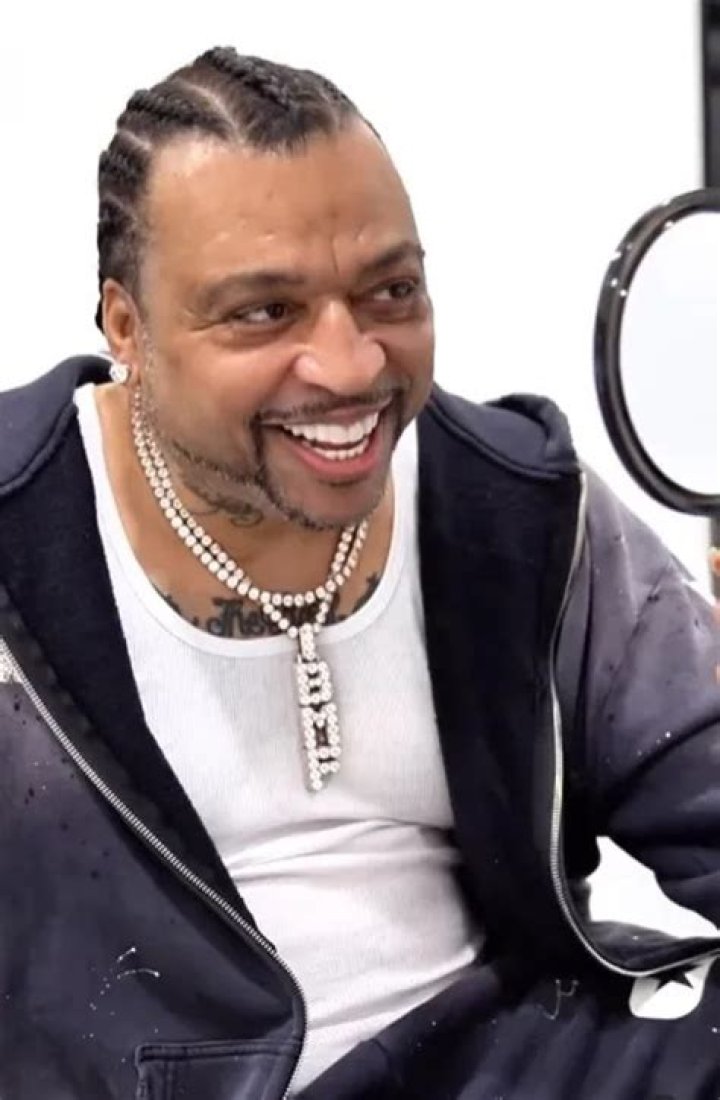
George Guerriero Pawling was born in 1955 and passed away in 2021.
Pawling was an accomplished artist. His works have been featured in numerous exhibitions, and he has received several awards for his contributions to the art world. Pawling was also a dedicated educator, teaching art at the college level for many years.
Pawling's work often explored themes of identity, culture, and spirituality. He was particularly interested in the ways that these themes intersect with the experiences of marginalized communities. Pawling's work was often praised for its beauty, its emotional depth, and its social commentary.
george guerro pawling
George Guerriero Pawling was an accomplished artist, educator, and social activist whose work explored themes of identity, culture, and spirituality. Here are 8 key aspects of his life and work:
- Artist: Pawling was a talented artist whose work has been featured in numerous exhibitions.
- Educator: Pawling was a dedicated educator who taught art at the college level for many years.
- Social Activist: Pawling was a passionate advocate for social justice and his work often addressed issues of race, class, and gender.
- Identity: Pawling's work often explored themes of personal and cultural identity.
- Culture: Pawling's work celebrated the diversity of human culture and the beauty of different traditions.
- Spirituality: Pawling's work often explored spiritual themes and the search for meaning in life.
- Beauty: Pawling's work was often praised for its beauty, its emotional depth, and its social commentary.
- Legacy: Pawling's work continues to inspire and challenge viewers, and his legacy as an artist and activist will continue to live on.
Pawling's work is a powerful reminder of the importance of art as a tool for social change. His work challenges us to think critically about the world around us and to work towards a more just and equitable society.
Artist
George Guerriero Pawling was a talented artist whose work has been featured in numerous exhibitions. This is a significant aspect of his life and work because it demonstrates his artistic ability and the recognition he has received for his contributions to the art world. Pawling's work has been praised for its beauty, its emotional depth, and its social commentary. He has been the recipient of several awards, including the Pollock-Krasner Foundation Grant and the Joan Mitchell Foundation Grant. Pawling's work is represented in numerous public and private collections, including the Metropolitan Museum of Art, the Whitney Museum of American Art, and the Studio Museum in Harlem.
Pawling's work is often inspired by his personal experiences and observations of the world around him. He is particularly interested in exploring themes of identity, culture, and spirituality. His work often challenges viewers to think critically about the world around them and to work towards a more just and equitable society.
Pawling's work is a valuable contribution to the art world. It is a reminder of the importance of art as a tool for social change. His work inspires and challenges viewers, and it will continue to do so for generations to come.
Educator
George Guerriero Pawling was a dedicated educator who taught art at the college level for many years. This aspect of his life and work is significant because it demonstrates his commitment to sharing his knowledge and passion for art with others. Pawling was a gifted teacher who inspired his students to think critically about art and the world around them.
- Academic Expertise: Pawling had a deep understanding of art history, theory, and practice. He was able to share his knowledge with his students in a clear and engaging way.
- Mentorship: Pawling was a dedicated mentor to his students. He provided them with guidance and support, both inside and outside of the classroom.
- Community Building: Pawling was a strong advocate for the arts community. He organized exhibitions, lectures, and other events that brought people together.
- Social Justice: Pawling used his teaching as a platform to address social justice issues. He challenged his students to think critically about the role of art in society.
Pawling's commitment to education is a valuable contribution to the art world. He helped to shape the next generation of artists and educators. His legacy will continue to inspire and challenge students for generations to come.
Social Activist
George Guerriero Pawling was a passionate advocate for social justice and his work often addressed issues of race, class, and gender. This was a significant aspect of his life and work as it demonstrated his commitment to using his art to make a difference in the world.
- Challenging Racism: Pawling's work often challenged racism and white supremacy. He created powerful images that depicted the struggles and triumphs of marginalized communities.
- Economic Justice: Pawling's work also addressed issues of economic justice. He created works that critiqued the exploitation of workers and the growing gap between the rich and the poor.
- Gender Equality: Pawling's work promoted gender equality. He created works that celebrated the strength and resilience of women and challenged traditional gender roles.
- Intersectionality: Pawling's work often explored the intersections of race, class, and gender. He recognized that these systems of oppression are interconnected and that they work together to create and maintain inequality.
Pawling's commitment to social justice is a valuable contribution to the art world. He used his art to raise awareness of important issues and to challenge the status quo. His work continues to inspire and challenge viewers, and it will continue to do so for generations to come.
Identity
George Guerriero Pawling's work often explored themes of personal and cultural identity. This was a significant aspect of his work, as it allowed him to explore his own experiences and the experiences of others, and to challenge traditional notions of identity.
- Personal Identity: Pawling's work often explored the concept of personal identity. He was interested in how individuals construct their own sense of self, and how this is shaped by their experiences, culture, and environment.
- Cultural Identity: Pawling's work also explored the concept of cultural identity. He was interested in how individuals identify with their culture, and how this shapes their sense of self and their place in the world.
- Intersectionality: Pawling's work often explored the intersections of personal and cultural identity. He was interested in how different aspects of identity intersect and overlap, and how this shapes individuals' experiences.
- Social Justice: Pawling's work also explored the relationship between identity and social justice. He was interested in how identity can be used to promote social justice and challenge inequality.
Pawling's work on identity is significant because it challenges traditional notions of identity and celebrates the diversity of human experience. His work inspires us to think more deeply about who we are and our place in the world.
Culture
George Guerriero Pawling's work celebrated the diversity of human culture and the beauty of different traditions. This was a significant aspect of his work, as it allowed him to explore the richness and variety of human experience.
Pawling's work was often inspired by his travels to different parts of the world. He was fascinated by the different cultures and traditions that he encountered, and he sought to capture their beauty and diversity in his work.
Pawling's work is important because it challenges us to think more deeply about our own culture and traditions. It reminds us that there is no single "right" way to live, and that there is beauty and value in all cultures.
Pawling's work is also important because it promotes tolerance and understanding. By celebrating the diversity of human culture, Pawling's work helps to break down barriers and stereotypes. It reminds us that we are all part of a larger human family, and that we should respect and appreciate each other's differences.
Spirituality
George Guerriero Pawling's work often explored spiritual themes and the search for meaning in life. This was a significant aspect of his work, as it allowed him to explore the deeper questions of human existence.
- The Meaning of Life: Pawling's work often explored the question of the meaning of life. He was interested in what makes life worth living, and how we can find purpose and fulfillment in our lives.
- The Nature of Reality: Pawling's work also explored the nature of reality. He was interested in the relationship between the physical and spiritual worlds, and how we can experience the sacred in everyday life.
- The Power of Love: Pawling's work often celebrated the power of love. He believed that love is the most powerful force in the universe, and that it has the power to heal, transform, and redeem.
- The Importance of Community: Pawling's work also emphasized the importance of community. He believed that we are all interconnected, and that we need each other to grow and evolve.
Pawling's work on spirituality is important because it challenges us to think more deeply about the meaning of life and our place in the universe. It reminds us that we are all spiritual beings, and that we have the potential to live lives of purpose and meaning.
Beauty
The beauty of Pawling's work is an integral part of its significance. His ability to create visually stunning images that also conveyed deep emotional and social messages is what made his work so powerful.
Pawling's use of color, light, and composition was masterful. He created works that were both visually appealing and emotionally resonant. His work often explored themes of identity, culture, and spirituality, and he used his art to challenge social injustice and promote understanding.
The beauty of Pawling's work is not merely superficial. It is a reflection of his deep commitment to social justice and his belief in the power of art to change the world. His work continues to inspire and challenge viewers, and it is a reminder of the importance of beauty in the fight for a more just and equitable world.
Legacy
The legacy of George Guerriero Pawling is one of inspiration and challenge. His work as an artist and activist continues to inspire and challenge viewers, and his legacy will continue to live on.
Pawling's work is significant because it addresses important social and political issues. His work challenges viewers to think critically about the world around them and to work towards a more just and equitable society. Pawling's work is also significant because it is visually stunning. He uses color, light, and composition to create works that are both beautiful and thought-provoking.
Pawling's legacy is one of inspiration and challenge. His work inspires viewers to think critically about the world around them and to work towards a more just and equitable society. His work also challenges viewers to think about the role of art in society and the power of art to change the world.
FAQs on George Guerriero Pawling
This section provides answers to frequently asked questions (FAQs) about George Guerriero Pawling, an accomplished artist, educator, and social activist. These FAQs aim to clarify common concerns or misconceptions surrounding Pawling's life and work.
Question 1: What is the significance of George Guerriero Pawling's work?
George Guerriero Pawling's work is significant for several reasons. Firstly, it addresses important social and political issues, challenging viewers to critically examine the world around them and strive for a more just and equitable society. Secondly, his work is visually stunning, employing color, light, and composition to create both beautiful and thought-provoking pieces.
Question 2: What are the recurring themes explored in Pawling's work?
Pawling's work frequently explores themes of identity, culture, and spirituality. He delves into the complexities of personal and cultural identity, celebrating diversity and challenging traditional notions. Additionally, his work explores the search for meaning in life, the nature of reality, and the power of love and community.
Question 3: How does Pawling's work contribute to social justice?
Pawling's work actively promotes social justice by challenging racism, economic inequality, and gender discrimination. He uses his art as a platform to raise awareness, provoke critical thinking, and inspire viewers to work towards a more just and equitable world.
Question 4: What artistic techniques and styles characterize Pawling's work?
Pawling's artistic style is characterized by bold colors, dynamic compositions, and expressive brushstrokes. He often incorporates elements of abstraction and figuration, creating visually striking and emotionally resonant works. His use of light and shadow further enhances the depth and impact of his paintings.
Question 5: Where can I find Pawling's work?
Pawling's work has been exhibited in numerous galleries and museums worldwide. His paintings are also part of several private and public collections. To learn more about his work and exhibition schedules, it is recommended to visit Pawling's official website or contact reputable art galleries that specialize in his style.
Question 6: How can I learn more about Pawling's life and artistic journey?
There are several resources available to learn more about George Guerriero Pawling's life and artistic journey. His official website provides biographical information, exhibition history, and insights into his creative process. Additionally, books, articles, and documentaries have been published that delve deeper into his life, work, and impact on the art world.
In conclusion, George Guerriero Pawling's work is a testament to his commitment to social justice, his exploration of identity and spirituality, and his mastery of artistic techniques. His legacy continues to inspire and challenge viewers, leaving a lasting impact on the art world and beyond.
Transition to the next article section: Pawling's passion for art and social justice is evident throughout his life's work. His dedication to fostering cultural understanding and promoting equality serves as an inspiration to artists and activists alike.
Tips for Artists and Activists Inspired by George Guerriero Pawling
The work of George Guerriero Pawling, a renowned artist and activist, offers valuable insights for those seeking to merge artistic expression with social impact. Here are several tips inspired by Pawling's legacy:
Tip 1: Embrace Your Identity and CulturePawling's exploration of personal and cultural identity encourages artists to draw upon their unique experiences and perspectives. By embracing their own narratives, artists can create authentic and resonant artworks that connect with diverse audiences.Tip 2: Challenge Societal NormsPawling's commitment to social justice demonstrates the potential of art to challenge oppressive structures and promote equality. Artists can use their platforms to question societal norms, raise awareness about pressing issues, and inspire viewers to reflect on their own beliefs and values.Tip 3: Seek Intersectional PerspectivesPawling's work highlights the interconnectedness of social identities. By considering the intersections of race, gender, class, and other factors, artists can create inclusive and nuanced artworks that resonate with a wider range of viewers.Tip 4: Foster Dialogue and CollaborationPawling's emphasis on community building reminds artists of the importance of engaging with their audiences and collaborating with fellow creatives. By fostering dialogue and exchange, artists can amplify their messages, build relationships, and create a collective impact.Tip 5: Utilize Visual Language EffectivelyPawling's mastery of visual language underscores the power of color, composition, and symbolism. Artists should carefully consider the visual elements of their work to convey complex messages, evoke emotions, and engage viewers on a sensory level.Tip 6: Stay Committed to Your BeliefsPawling's unwavering commitment to his artistic vision and social justice principles serves as an inspiration. Artists should remain steadfast in their beliefs and use their art as a force for positive change, even in the face of adversity.By incorporating these principles into their practice, artists and activists can emulate George Guerriero Pawling's legacy of using art as a tool for social transformation and cultural understanding.
Conclusion: The work of George Guerriero Pawling stands as a testament to the profound impact that art can have on society. By embracing authenticity, challenging norms, fostering dialogue, utilizing visual language effectively, and staying committed to their beliefs, artists and activists can create powerful and meaningful works that inspire change and promote a more just and equitable world.
Conclusion
George Guerriero Pawling's life and work have left an enduring legacy in the art world and beyond. Through his exploration of identity, culture, and spirituality, he challenged societal norms and promoted social justice. Pawling's commitment to authenticity, visual impact, and community engagement serves as a beacon for artists and activists seeking to use their talents for positive change.
The key to continuing Pawling's legacy lies in embracing our own unique identities and perspectives, fostering inclusive dialogue, and utilizing art as a tool for social transformation. By following in his footsteps, we can create a world where art transcends its traditional boundaries and becomes a catalyst for a more just and equitable society.
Unveiling Robin Farley's Legacy: Discoveries And Insights
Unraveling The Secrets Of Marathoner Crossword Clue: A Journey Of Discovery
Unveiling The Shadows: Exploring "mr Kitty After Dark Meaning"