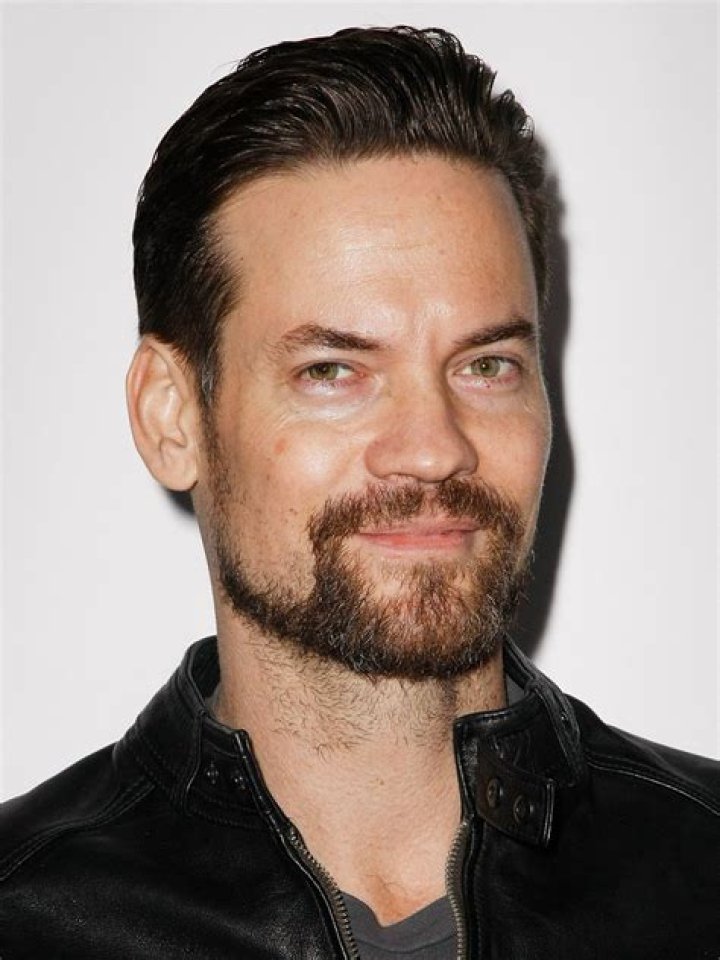
Jessiann Gravel Beland is an artist and designer whose work explores the relationship between the body and the built environment. Her work often uses interactive and participatory elements to encourage viewers to engage with their surroundings in new ways.
Beland's work has been exhibited in galleries and museums around the world, including the Museum of Modern Art in New York City and the Centre Pompidou in Paris. She has also been the recipient of numerous awards, including the prestigious MacArthur Fellowship.
Beland's work is important because it challenges the traditional ways of thinking about the relationship between the body and the built environment. Her work encourages viewers to think about their bodies as active and engaged participants in the world around them.
Jessiann Gravel Beland
Jessiann Gravel Beland is an artist and designer whose work explores the relationship between the body and the built environment. Her work often uses interactive and participatory elements to encourage viewers to engage with their surroundings in new ways.
- Interactive
- Participatory
- Engaging
- Thought-provoking
- Innovative
- Multidisciplinary
- Collaborative
- Site-specific
Beland's work is important because it challenges the traditional ways of thinking about the relationship between the body and the built environment. Her work encourages viewers to think about their bodies as active and engaged participants in the world around them. For example, her work "The Body Electric" is an interactive installation that uses sensors to track the movements of viewers and generate sound and light. This work encourages viewers to become aware of their own bodies and how they move through space.
Beland's work has been exhibited in galleries and museums around the world, including the Museum of Modern Art in New York City and the Centre Pompidou in Paris. She has also been the recipient of numerous awards, including the prestigious MacArthur Fellowship.
| Name | Jessiann Gravel Beland |
|---|---|
| Born | 1979 |
| Nationality | Canada |
| Occupation | Artist, designer |
| Education | Concordia University, MFA |
| Awards | MacArthur Fellowship |
| Website |
Interactive
Jessiann Gravel Beland's work is often interactive, meaning that it invites viewers to participate and engage with the artwork. This interactivity can take many forms, from simple gestures to more complex interactions that require viewers to use their bodies or minds to navigate the artwork.
- Playful and Engaging
Beland's interactive artworks are often playful and engaging, inviting viewers to explore and interact with the work in a fun and enjoyable way. For example, her work "The Body Electric" uses sensors to track the movements of viewers and generate sound and light. This playful interaction encourages viewers to become aware of their own bodies and how they move through space.
- Thought-provoking and Reflective
Beland's interactive artworks can also be thought-provoking and reflective, inviting viewers to consider their own relationship to the built environment and their place in the world. For example, her work "The City as a Body" is an interactive installation that uses sensors to track the movements of viewers and generate a soundscape. This reflective interaction encourages viewers to think about the city as a living, breathing organism, and their own role within it.
- Collaborative and Participatory
Beland's interactive artworks are often collaborative and participatory, inviting viewers to work together to create a shared experience. For example, her work "The Social Body" is an interactive installation that uses sensors to track the movements of viewers and generate a visual display. This collaborative interaction encourages viewers to think about the ways in which our bodies are connected to each other and to the world around us.
- Site-specific and Contextual
Beland's interactive artworks are often site-specific and contextual, meaning that they are created in response to a particular location or context. For example, her work "The Park as a Playground" is an interactive installation that uses sensors to track the movements of viewers and generate a soundscape. This site-specific interaction encourages viewers to think about the park as a place for play and exploration, and their own role within it.
Beland's interactive artworks are important because they challenge the traditional ways of thinking about the relationship between the body and the built environment. Her work encourages viewers to think about their bodies as active and engaged participants in the world around them, and to consider their own role within the built environment.
Participatory
Jessiann Gravel Beland's work is often participatory, meaning that it invites viewers to participate and engage with the artwork. This participatory aspect of her work is important because it challenges the traditional ways of thinking about the relationship between the body and the built environment. Her work encourages viewers to think about their bodies as active and engaged participants in the world around them.
One of the ways that Beland makes her work participatory is by using sensors to track the movements of viewers. This data is then used to generate sound, light, or other visual effects. This allows viewers to interact with the artwork in a direct and physical way, and to see how their own movements affect the artwork.
For example, Beland's work "The Body Electric" is an interactive installation that uses sensors to track the movements of viewers and generate sound and light. This work encourages viewers to become aware of their own bodies and how they move through space.
Another way that Beland makes her work participatory is by creating collaborative and participatory installations. These installations invite viewers to work together to create a shared experience. For example, Beland's work "The Social Body" is an interactive installation that uses sensors to track the movements of viewers and generate a visual display. This work encourages viewers to think about the ways in which our bodies are connected to each other and to the world around us.
Beland's participatory artworks are important because they challenge the traditional ways of thinking about the relationship between the body and the built environment. Her work encourages viewers to think about their bodies as active and engaged participants in the world around them, and to consider their own role within the built environment.
Engaging
Jessiann Gravel Beland's work is often engaging, meaning that it captures the attention and interest of viewers. This engaging quality is important because it encourages viewers to stay with the artwork and to explore it in depth. Beland achieves this engaging quality through a variety of means, including:
- Interactive elements
Beland's work often includes interactive elements that invite viewers to participate and engage with the artwork. For example, her work "The Body Electric" uses sensors to track the movements of viewers and generate sound and light. This playful interaction encourages viewers to become aware of their own bodies and how they move through space.
- Thought-provoking concepts
Beland's work often explores thought-provoking concepts that challenge viewers to think about the world in new ways. For example, her work "The City as a Body" is an interactive installation that uses sensors to track the movements of viewers and generate a soundscape. This reflective interaction encourages viewers to think about the city as a living, breathing organism, and their own role within it.
- Visually appealing aesthetics
Beland's work is often visually appealing, with a strong focus on color, light, and form. This visual appeal helps to draw viewers in and to keep them engaged with the artwork.
- Relatable themes
Beland's work often explores relatable themes that resonate with viewers on a personal level. For example, her work "The Social Body" is an interactive installation that uses sensors to track the movements of viewers and generate a visual display. This collaborative interaction encourages viewers to think about the ways in which our bodies are connected to each other and to the world around us.
These are just a few of the ways that Jessiann Gravel Beland creates engaging artworks. Her work is important because it challenges the traditional ways of thinking about the relationship between the body and the built environment. Her work encourages viewers to think about their bodies as active and engaged participants in the world around them, and to consider their own role within the built environment.
Thought-provoking
Jessiann Gravel Beland's work is often thought-provoking, meaning that it challenges viewers to think about the world in new ways. This thought-provoking quality is important because it encourages viewers to stay with the artwork and to explore it in depth. Beland achieves this thought-provoking quality through a variety of means, including:
- Exploring complex and challenging themes
Beland's work often explores complex and challenging themes, such as the relationship between the body and the built environment, the nature of perception, and the role of technology in our lives. These themes are often explored in a subtle and nuanced way, which encourages viewers to think critically about the world around them. - Using interactive and participatory elements
Beland's work often includes interactive and participatory elements that invite viewers to participate and engage with the artwork. This active participation helps viewers to understand the artwork on a deeper level and to develop their own interpretations. - Creating visually and conceptually striking artworks
Beland's work is often visually and conceptually striking, which helps to capture the attention of viewers and to draw them into the artwork. This visual and conceptual appeal helps to make the artwork more memorable and thought-provoking.
The thought-provoking quality of Jessiann Gravel Beland's work is important because it encourages viewers to think critically about the world around them and to develop their own interpretations of her work. Her work challenges viewers to think outside of their comfort zones and to consider new perspectives. This can lead to a deeper understanding of the world and to a greater appreciation of the role of art in our lives.
Innovative
Jessiann Gravel Beland is an innovative artist and designer whose work explores the relationship between the body and the built environment. Her work often uses interactive and participatory elements to encourage viewers to engage with their surroundings in new ways.
One of the things that makes Beland's work so innovative is her use of technology. She uses sensors, cameras, and other technologies to create interactive installations that respond to the movements and interactions of viewers. For example, her work "The Body Electric" uses sensors to track the movements of viewers and generate sound and light. This playful interaction encourages viewers to become aware of their own bodies and how they move through space.
Another thing that makes Beland's work innovative is her focus on collaboration. She often works with other artists, designers, and engineers to create her installations. This collaborative approach allows her to bring together a variety of perspectives and expertise, which results in more innovative and engaging work.
Beland's innovative work is important because it challenges the traditional ways of thinking about the relationship between the body and the built environment. Her work encourages viewers to think about their bodies as active and engaged participants in the world around them, and to consider their own role within the built environment.
The practical significance of understanding the connection between "innovative" and "jessiann gravel beland" is that it can help us to appreciate the importance of innovation in art and design. Beland's work shows us that innovation can lead to new and exciting ways of engaging with the world around us.
Multidisciplinary
Jessiann Gravel Beland is a multidisciplinary artist whose work encompasses a wide range of disciplines, including sculpture, installation, performance, and design. Her work often explores the relationship between the body and the built environment, and she uses a variety of materials and technologies to create interactive and participatory installations.
Beland's multidisciplinary approach is essential to her work, as it allows her to explore the relationship between the body and the built environment from a variety of perspectives. For example, her work "The Body Electric" uses sensors to track the movements of viewers and generate sound and light. This interactive installation encourages viewers to become aware of their own bodies and how they move through space. By using a multidisciplinary approach, Beland is able to create work that is both engaging and thought-provoking.
The practical significance of understanding the connection between "multidisciplinary" and "jessiann gravel beland" is that it can help us to appreciate the importance of multidisciplinary approaches in art and design. Beland's work shows us that multidisciplinary approaches can lead to new and innovative ways of engaging with the world around us.
Collaborative
Jessiann Gravel Beland is a collaborative artist whose work often involves other artists, designers, and engineers. This collaborative approach is essential to her work, as it allows her to bring together a variety of perspectives and expertise, which results in more innovative and engaging work.
For example, Beland's work "The Body Electric" was created in collaboration with engineers and scientists. This collaboration allowed Beland to create an interactive installation that uses sensors to track the movements of viewers and generate sound and light. This playful interaction encourages viewers to become aware of their own bodies and how they move through space.
Beland's collaborative approach is also evident in her work "The Social Body." This work was created in collaboration with a group of dancers and performers. The dancers' movements are tracked by sensors, which generate a visual display. This collaborative interaction encourages viewers to think about the ways in which our bodies are connected to each other and to the world around us.
The practical significance of understanding the connection between "collaborative" and "jessiann gravel beland" is that it can help us to appreciate the importance of collaboration in art and design. Beland's work shows us that collaboration can lead to new and innovative ways of engaging with the world around us.
Site-specific
Jessiann Gravel Beland's work is often site-specific, meaning that it is created in response to a particular location or context. This approach is essential to her work, as it allows her to create installations that are responsive to the unique characteristics of each site.
- Contextual relevance
Beland's site-specific installations are often created in response to the history, culture, and environment of the site. For example, her work "The Body Electric" was created for the atrium of the Muse d'art contemporain de Montral. This work uses sensors to track the movements of viewers and generate sound and light. The installation is responsive to the unique architectural features of the atrium, and it creates a dynamic and immersive experience for viewers.
- Community engagement
Beland's site-specific installations often involve the local community. For example, her work "The Social Body" was created in collaboration with a group of dancers and performers from the local community. The dancers' movements are tracked by sensors, which generate a visual display. This collaborative interaction encourages viewers to think about the ways in which our bodies are connected to each other and to the world around us.
- Environmental sustainability
Beland's site-specific installations are often created with a focus on environmental sustainability. For example, her work "The Park as a Playground" was created for a public park in Montreal. This installation uses recycled materials and sustainable design principles. The installation is designed to encourage viewers to think about the importance of sustainability and to engage with the park in a new way.
- Historical significance
Beland's site-specific installations often respond to the historical significance of the site. For example, her work "The City as a Body" was created for the site of a former industrial complex in Montreal. This installation uses sensors to track the movements of viewers and generate a soundscape. The installation is responsive to the unique history of the site, and it creates a reflective and immersive experience for viewers.
Beland's site-specific installations are important because they challenge the traditional ways of thinking about the relationship between art and the built environment. Her work encourages viewers to think about the ways in which art can be used to activate and engage public spaces. Beland's work also highlights the importance of community engagement and environmental sustainability in the creation of public art.
Frequently Asked Questions about Jessiann Gravel Beland
This section addresses common concerns or misconceptions about Jessiann Gravel Beland and her work.
Question 1: What is the main focus of Jessiann Gravel Beland's work?
Answer: Beland's work explores the relationship between the body and the built environment. She often uses interactive and participatory elements to encourage viewers to engage with their surroundings in new ways.
Question 2: What are some of the materials and technologies that Beland uses in her work?
Answer: Beland uses a variety of materials and technologies in her work, including sensors, cameras, recycled materials, and sustainable design principles.
Question 3: Why is Beland's work considered innovative?
Answer: Beland's work is considered innovative because she uses technology and interactive elements in new and creative ways to explore the relationship between the body and the built environment.
Question 4: What is the purpose of Beland's collaborative approach?
Answer: Beland's collaborative approach allows her to bring together a variety of perspectives and expertise, which results in more innovative and engaging work.
Question 5: How does Beland's work engage with the local community?
Answer: Beland often involves the local community in her work, either through collaboration or by creating site-specific installations that respond to the history, culture, and environment of the community.
Question 6: What are some of the key takeaways from Beland's work?
Answer: Beland's work challenges traditional ways of thinking about the relationship between the body and the built environment. Her work encourages viewers to think about their bodies as active and engaged participants in the world around them, and to consider their own role within the built environment.
Understanding these FAQs can help you gain a deeper appreciation for Jessiann Gravel Beland and her contributions to the art world.
Transition to the next section:
Tips from Jessiann Gravel Beland
Jessiann Gravel Beland's work offers valuable insights into the relationship between the body and the built environment. Here are a few tips inspired by her work:
Tip 1: Engage the Body
Beland's work encourages active participation and engagement with the environment. Incorporate interactive elements into your designs to foster physical and sensory experiences.
Tip 2: Foster Collaboration
Beland's collaborative approach highlights the power of diverse perspectives. Seek out partnerships with other professionals to bring fresh ideas and expertise to your projects.
Tip 3: Consider Context
Beland's site-specific installations demonstrate the importance of understanding the unique characteristics of a space. Tailor your designs to the specific history, culture, and environment of your project site.
Tip 4: Embrace Technology
Beland's innovative use of technology expands the possibilities for interaction and engagement. Explore how technology can enhance the user experience and create dynamic environments.
Tip 5: Promote Sustainability
Beland's focus on sustainability emphasizes the need for environmentally responsible design. Choose sustainable materials and practices to minimize the environmental impact of your projects.
By incorporating these tips into your work, you can create more engaging, inclusive, and sustainable built environments.
Transition to the article's conclusion:
Conclusion
Jessiann Gravel Beland's groundbreaking work has reshaped our understanding of the relationship between the body and the built environment. Through innovative and participatory installations, she challenges traditional notions of art and public space, inviting viewers to actively engage with their surroundings.
Beland's focus on collaboration, context, and sustainability provides valuable lessons for artists, designers, and architects alike. By embracing diverse perspectives, responding to the unique characteristics of each site, and prioritizing environmental responsibility, we can create more inclusive, engaging, and sustainable built environments. As technology continues to advance, Beland's work serves as a reminder of the transformative potential of interactive and participatory art.