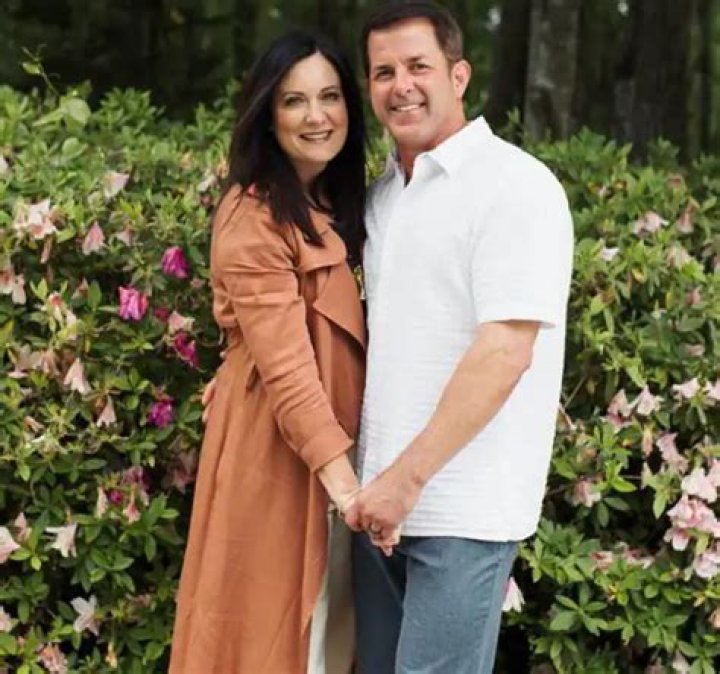
Carolyn Espley is an American artist and educator. She is known for her work in experimental film, video, and performance art. Her work often explores themes of identity, memory, and the body.
Espley was born in 1959 in Great Lakes, Illinois. She studied art at the School of the Art Institute of Chicago and the University of California, Berkeley. She has taught at the University of California, Los Angeles, the California Institute of the Arts, and the Massachusetts Institute of Technology.
Carolyn Espley's work has been exhibited in museums and galleries around the world, including the Museum of Modern Art in New York, the Whitney Museum of American Art, and the Tate Modern in London. She has also received numerous awards for her work, including a Guggenheim Fellowship and a National Endowment for the Arts grant.
Carolyn Espley
Carolyn Espley's work as an artist and educator has significantly impacted experimental film, video, and performance art. Her key aspects include:
- Experimental Film: Innovative use of cinematic techniques to explore identity and memory.
- Video Art: Pioneering video installations that challenge traditional notions of storytelling.
- Performance Art: Visceral and immersive performances that engage the audience's senses.
- Identity: Exploration of personal and cultural identity through self-portraiture and storytelling.
- Memory: Eliciting forgotten or repressed memories through evocative imagery and soundscapes.
- The Body: Use of the body as a site of exploration, vulnerability, and empowerment.
- Education: Committed to mentoring emerging artists and fostering interdisciplinary collaboration.
- Recognition: Recipient of prestigious awards and grants, showcasing her significant contributions to the art world.
Espley's work prompts profound introspection, challenging conventional narratives and inviting viewers to engage with their own experiences and emotions. Her unique style and dedication to experimentation have left an indelible mark on contemporary art.
Experimental Film
Carolyn Espley's experimental films explore identity and memory through innovative cinematic techniques. These techniques include:
- Collage and Montage: Espley juxtaposes disparate images and sounds to create new meanings and evoke fragmented memories.
- Superimposition and Multiple Exposures: She layers images and exposes film multiple times, creating dreamlike and surreal effects that blur the lines between past and present.
- Slow Motion and Time-Lapse Photography: Espley manipulates time to distort memories and explore the passage of time's impact on identity.
- Found Footage and Archival Material: She incorporates personal and historical footage to connect individual experiences with collective memory.
Through these techniques, Espley's films challenge conventional notions of narrative and representation. They invite viewers to actively engage with the construction of identity and the fluidity of memory.
Video Art
Carolyn Espley's pioneering video installations challenge traditional notions of storytelling by disrupting linear narratives and embracing non-conventional formats. Her installations often feature multiple screens, fragmented images, and immersive soundscapes that envelop the viewer in a sensory experience.
Espley's video art installations often explore themes of identity, memory, and the body. In her work, she juxtaposes personal and archival footage, creating a dialogue between the individual and the collective. Through her innovative use of video technology, Espley invites viewers to question their own perceptions and experiences.
Espley's video art installations have been exhibited in prestigious institutions worldwide, including the Museum of Modern Art in New York and the Tate Modern in London. Her work has received critical acclaim for its originality and its ability to challenge conventional notions of storytelling.
Performance Art
Carolyn Espley's performance art is visceral and immersive, engaging the audience's senses and creating a unique and powerful experience. Her performances often explore themes of identity, memory, and the body, and she uses a variety of techniques to create a sense of intimacy and connection with her audience.
One of Espley's most notable performance pieces is "The Memory Project." In this piece, she invites audience members to share their memories with her, which she then uses to create a live performance. The performance is a unique and personal experience for both the audience and Espley, and it explores the power of memory and the ways in which it can shape our lives.
Espley's performance art is challenging and thought-provoking, but it is also deeply rewarding. Her work invites us to reflect on our own experiences and to connect with others in a meaningful way. She is a pioneer in the field of performance art, and her work continues to inspire and challenge audiences around the world.
Identity
Carolyn Espley's exploration of identity through self-portraiture and storytelling is a central theme in her work. She uses her own experiences and memories as a starting point to examine broader issues of personal and cultural identity.
- Self-Portraiture as a Means of Self-Discovery: Espley's self-portraits are not simply representations of her physical likeness; they are explorations of her inner self. Through self-portraiture, she delves into her own psyche, uncovering hidden aspects of her identity.
- Storytelling as a Way to Share Experiences: Espley's storytelling often takes the form of video installations and performances. She uses these mediums to share her personal experiences and memories with her audience. In doing so, she creates a space for dialogue and connection, inviting viewers to reflect on their own identities.
- The Power of Memory in Shaping Identity: Espley's work frequently explores the role of memory in shaping identity. She uses fragmented memories and personal archives to create works that evoke the past and its impact on the present.
- The Intersection of Personal and Cultural Identity: Espley's work also examines the intersection of personal and cultural identity. She explores how her own experiences are shaped by the larger cultural context in which she lives.
Espley's exploration of identity through self-portraiture and storytelling is a powerful and moving body of work. It invites viewers to reflect on their own identities and to consider the complex ways in which our personal experiences are shaped by our culture and our memories.
Memory
Carolyn Espley's work often explores the theme of memory, using evocative imagery and soundscapes to elicit forgotten or repressed memories. She believes that memory is a powerful force that can shape our present and future, and she uses her art to help people access and explore their own memories.
Espley's work often draws on her own personal experiences. In her video installation "The Memory Project," she invited participants to share their memories with her, which she then used to create a visual and sonic collage. The piece explored the power of memory to connect people and to create a sense of community.
Espley's work has also been used to help people recover from trauma. In her project "The Healing Project," she worked with survivors of sexual abuse to create a series of videos that helped them to process their experiences and to begin to heal.
Espley's work is a powerful reminder of the importance of memory. It can help us to understand ourselves better, to connect with others, and to heal from trauma.
The Body
Carolyn Espley's work often explores the body as a site of exploration, vulnerability, and empowerment. She uses her own body as a canvas to explore themes of identity, memory, and trauma. Her work challenges traditional notions of the body and its role in society.
- Exploration: Espley uses her body as a site of exploration, pushing its physical and emotional limits. In her performance piece "The Body as Archive," she explores the body's capacity for memory and trauma.
- Vulnerability: Espley's work often exposes the body's vulnerability. In her video installation "The Healing Project," she works with survivors of sexual abuse to create a series of videos that explore the body's ability to heal from trauma.
- Empowerment: Espley's work also celebrates the body's power and resilience. In her performance piece "The Body as Resistance," she uses her body to challenge societal norms and expectations.
Espley's work is a powerful reminder of the body's potential for exploration, vulnerability, and empowerment. It challenges traditional notions of the body and its role in society, and it invites viewers to reconsider their own relationship to their bodies.
Education
Carolyn Espley's commitment to education is evident in her work as a mentor to emerging artists and her dedication to fostering interdisciplinary collaboration. She believes that education is essential for the development of creative and innovative artists, and she is passionate about creating opportunities for artists to learn and grow.
Espley has been a mentor to numerous emerging artists, providing them with guidance and support as they develop their careers. She has also been instrumental in creating opportunities for interdisciplinary collaboration between artists, scholars, and other professionals. For example, she is the founder and director of the Experimental Film and Video Program at the California Institute of the Arts, which brings together artists from a variety of disciplines to create new and innovative work.
Espley's commitment to education is not only important for the development of individual artists, but also for the field of art as a whole. By mentoring emerging artists and fostering interdisciplinary collaboration, she is helping to create a new generation of artists who are pushing the boundaries of contemporary art.
Recognition
Carolyn Espley's recognition as the recipient of prestigious awards and grants is a testament to her significant contributions to the art world. Her work has been recognized by leading institutions and organizations, including the Guggenheim Foundation, the National Endowment for the Arts, and the Creative Capital Foundation.
This recognition has provided Espley with the resources and support to continue her innovative work and to share it with a wider audience. For example, a grant from the Guggenheim Foundation allowed Espley to create her groundbreaking video installation "The Memory Project," which explores the power of memory and the ways in which it can shape our lives.
Espley's recognition has also helped to raise the profile of experimental film, video, and performance art. By showcasing her work on a national and international stage, Espley has helped to challenge traditional notions of what constitutes art and to create a space for new and innovative voices.
Frequently Asked Questions about Carolyn Espley
This section addresses common concerns or misconceptions about Carolyn Espley's work and contributions to the art world.
Question 1: What are the key themes explored in Carolyn Espley's work?
Answer: Espley's work often explores themes of identity, memory, the body, and the intersection of personal and cultural experiences.
Question 2: What is the significance of experimental film, video, and performance art in Espley's practice?
Answer: Espley utilizes these mediums to challenge traditional storytelling and representation, creating immersive and evocative experiences that engage the viewer's senses.
Question 3: How does Espley's work contribute to the understanding of identity and memory?
Answer: Through self-portraiture and storytelling, Espley invites viewers to reflect on their own experiences and memories, exploring the fluidity and complexity of personal and collective identities.
Question 4: What is the role of the body in Espley's performances?
Answer: Espley's performances often use the body as a site of exploration, vulnerability, and empowerment, challenging conventional notions of physicality and societal norms.
Question 5: How has Espley's commitment to education impacted the art world?
Answer: Espley's mentorship and fostering of interdisciplinary collaborations have nurtured emerging artists and expanded the boundaries of contemporary art practices.
Question 6: What is the broader impact of Espley's work on contemporary art?
Answer: Espley's experimental and innovative approaches have challenged artistic conventions, pushing the boundaries of artistic expression and inspiring a new generation of artists.
Summary: Carolyn Espley's work is characterized by its exploration of identity, memory, the body, and the intersection of personal and cultural experiences. Through innovative uses of experimental film, video, and performance art, Espley creates immersive and evocative experiences that provoke contemplation, challenge societal norms, and contribute to a broader understanding of contemporary art.
Transition: To further explore Carolyn Espley's artistic journey and the impact of her work, continue to the next section.
Tips by Carolyn Espley
Carolyn Espley, an acclaimed experimental filmmaker, video artist, and performance artist, offers valuable insights and tips for aspiring artists and individuals seeking personal and artistic growth.
Tip 1: Embrace Experimentation: Challenge conventions and explore uncharted territories in your artistic practice. Experiment with different mediums, techniques, and concepts to discover your unique voice and style.
Tip 2: Delve into Self-Exploration: Use art as a tool for self-discovery and personal growth. Explore your emotions, memories, and experiences to create meaningful and authentic work that resonates with your audience.
Tip 3:Harness the Power of Collaboration: Collaborate with artists from diverse disciplines to expand your perspectives and create innovative projects. Cross-disciplinary collaborations can spark new ideas and foster a dynamic exchange of knowledge.
Tip 4: Embrace Imperfection and Vulnerability: Recognize that perfection is an illusion and embrace the beauty of imperfection. Allow your vulnerabilities to shine through your work, making it more relatable and emotionally impactful.
Tip 5: Develop a Strong Work Ethic: Artistic excellence requires dedication and perseverance. Establish a consistent work routine, stay disciplined, and push yourself to produce high-quality work.
Tip 6: Seek Feedback and Engage in Dialogue: Value constructive criticism and engage in open dialogue about your work. Feedback from trusted sources can provide valuable insights and help you refine your artistic practice.
Tip 7: Foster Resilience: The artistic journey is filled with challenges and setbacks. Develop resilience by embracing failures as opportunities for growth. Learn from your mistakes and keep moving forward with determination.
Tip 8: Stay Inspired and Curious: Surround yourself with inspiring sources, such as art exhibitions, films, books, and nature. Maintain a curious mindset and explore new ideas to keep your creative spark alive.
Summary: By following these tips, artists and individuals can cultivate their artistic practice, embrace personal growth, and contribute to a vibrant and innovative arts landscape.
Transition: To further explore the impact and legacy of Carolyn Espley's work, proceed to the next section.
Conclusion
Carolyn Espley's artistic journey exemplifies the power of experimentation, self-exploration, and interdisciplinary collaboration. Through her groundbreaking work in experimental film, video art, and performance, she challenges societal norms, invites reflection on personal and cultural identities, and pushes the boundaries of contemporary art.
Espley's commitment to education and mentorship has nurtured emerging artists, fostering a new generation of creative thinkers. Her work continues to inspire and provoke, encouraging viewers to question their own experiences and engage with the world around them in meaningful ways.
Uncover Hidden Gems: Explore Danville's "Skip The Games" Health Revolution
Unveiling Purdue's Secrets For Engaged Parents: Uncover Hidden Gems And Nurture Student Success
Unveiling The Extraordinary Story Behind Eddie Murphy's First Wife: Discoveries And Insights
AGELESS STYLE WITH CAROLYN ESPLEYMILLER, AKA SLIM PALEY 1010 Park Place
Dennis Miller (R) and Carolyn Espley at CBS' "The Carol Show